01 / 04 · Security and infrastructure
Cameras, access control and the network under them
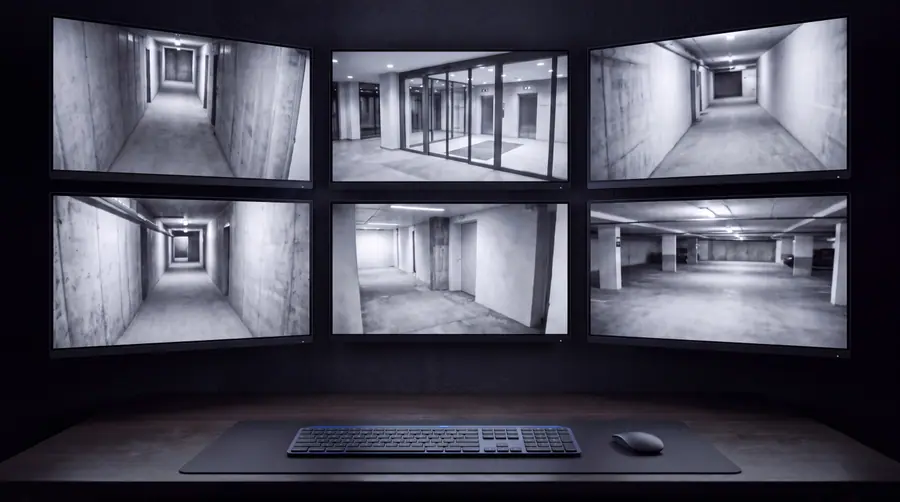
Camera systems, door control, intrusion and environmental sensors, specified and built as one system on one network, so a door event, a plate and the footage that explains them are a single search rather than three.
- No recordercameras record on board, with cloud backup behind them
- One cablepower and data to cameras, readers and sensors over PoE
- One searchdoor events, plates and sensor readings all resolve to footage
What this covers
Cameras, door control, intrusion and the sensors around them, specified together and run from one console. The network underneath is part of the same job: switching, the power budget on it, the separation between what each system can reach, and the path out to the internet.
Cameras
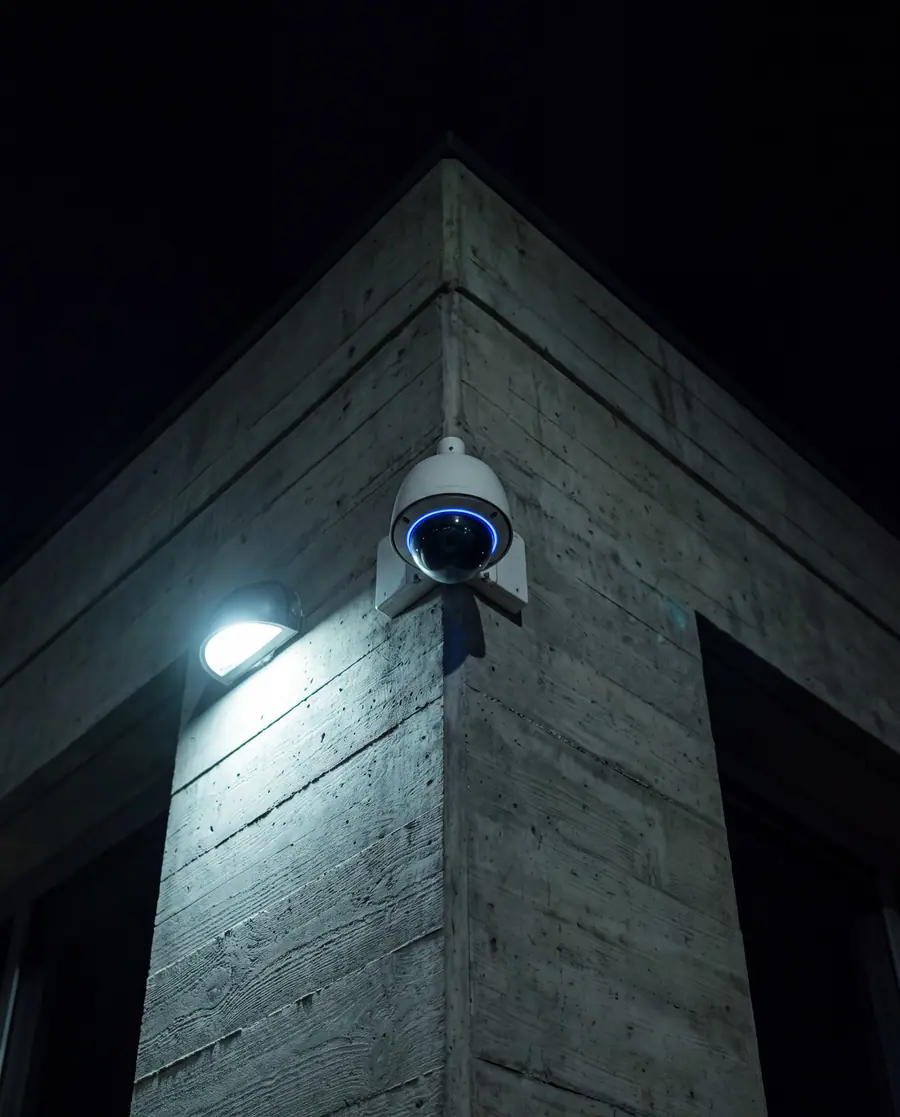
Modern camera systems record on the camera rather than into a recorder rack. Each one holds its own retention window with cloud backup behind it, so there is no video recorder to fail, no server to patch, and no port forwarding or VPN needed to watch a stream.
- One cable per camera. Power and data arrive together over PoE. Weather-sealed domes and bullets outside, fisheye or multisensor where one housing should cover a whole area, pan-tilt-zoom where someone will genuinely drive it, and battery units with their own cellular link where there is no cable to run.
- Alerts worth answering. People and vehicle detection, line crossing, loitering, tamper and camera-offline alerts, instead of motion alarms that fire at every set of headlights.
- Finding it afterwards. Attribute search across every camera at once, plate search and plate watchlists, and tracking that reconstructs where a person or a vehicle actually went across the site.
Access control
Door controllers that keep their configuration locally and carry on working when the connection drops. Readers that talk to them over a secure channel rather than in the clear. Credentials chosen for the building rather than the brochure: encrypted smart cards and fobs, phone credentials in a wallet app, Bluetooth for hands-full entry, a PIN as a second factor on sensitive doors, and plate reading at a gate.
Access follows identity instead of a spreadsheet of card numbers. People and groups sync from the directory, so removing someone upstream closes their doors in seconds. Door forced, door held open and out-of-hours badge events raise an alert with the footage already attached.
A door that opens for someone who left in April is a permissions problem, not a hardware fault.
Sensors and intrusion
Environmental sensors sit on the same network and the same console: temperature and humidity in server rooms and stock rooms, carbon dioxide, particulates and volatile compounds in occupied spaces, vape detection in washrooms and stairwells, noise, and tamper. Readings alert on thresholds and land on the video timeline, so a number always has a picture beside it.
Intrusion runs on the same footing: door contacts, motion sensors, panic buttons and water leak detectors, verified against a paired camera before anyone is dispatched, and armed or disarmed with a badge rather than a code taped inside a cupboard.
What it takes
The hardware is the easy half. What makes it hold is the design underneath: how doors are grouped, who owns each permission, what a camera is actually there to prove, which alerts a person will act on at three in the morning, and what every part of it does when the network goes down.
Tools and platforms
What the work runs on.
- Technology
- 01Hybrid cloud cameras
- 02PoE
- 03Access control
- 04OSDP secure channel
- 05Encrypted smart cards
- 06Mobile and Bluetooth credentials
- 07Licence plate recognition
- 08Air quality sensors
- 09Intrusion sensors
- 10Entra ID
- 11Directory sync